
The Complete Guide to Acting Classes in Perth
For many people, the decision to begin acting training starts with a simple curiosity:
Could I actually do this?
For anyone exploring acting classes in Perth, the journey often begins with questions about how actors train, what happens in class and how professional performers develop their craft.
Acting is one of the oldest artistic traditions in human culture, yet it remains one of the most misunderstood. To an audience, a powerful performance can appear spontaneous or effortless. But behind every compelling performance lies years of disciplined training, experimentation and artistic development.
The craft of acting has evolved through centuries of theatre, storytelling and psychological exploration. Modern acting training combines emotional awareness, imagination, physical expression and analytical thinking to help performers create truthful characters and compelling stories.
For those searching for acting classes, the challenge is often not only finding a place to begin, but understanding what professional acting training actually involves.
Many aspiring actors ask questions such as:
- What do acting classes actually teach?
- Do I need experience before starting?
- What is the difference between screen acting and theatre acting?
- How do professional actors train?
- What should I look for in an acting school?
This guide explores the craft of acting, the different types of acting classes available in Perth, and how aspiring performers can choose training that supports both artistic growth and professional development.
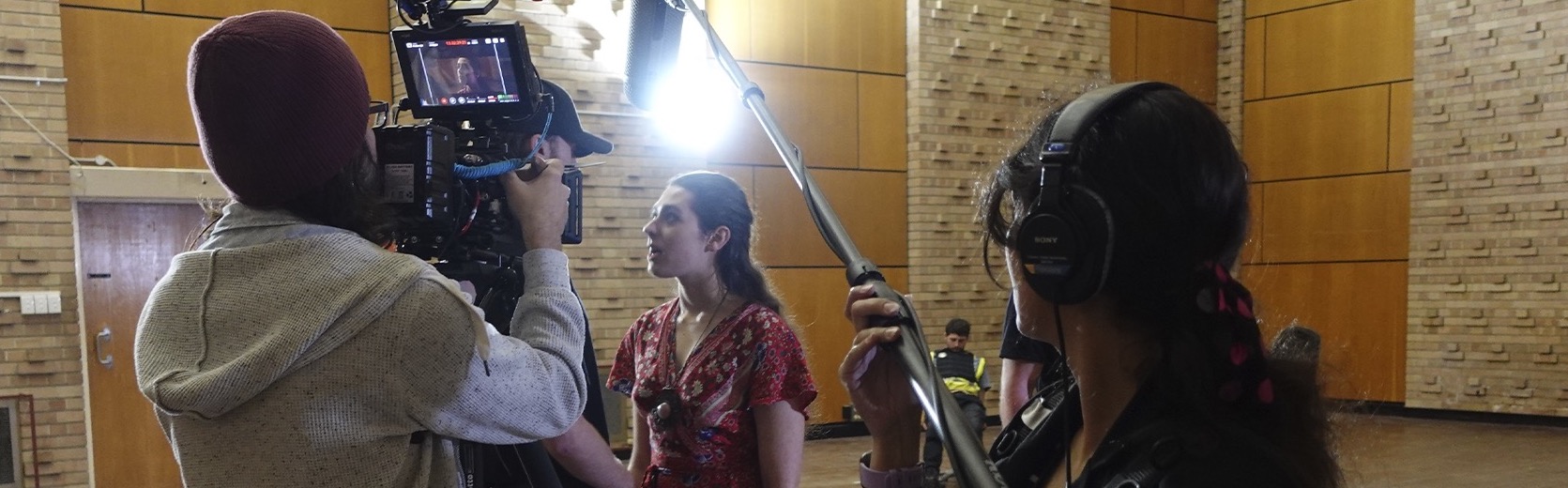
Professional acting classes often simulate real production environments, allowing actors to practise performance techniques used in film and television.
What Acting Training Actually Teaches
Contrary to popular belief, acting classes are not simply about memorising lines or performing scenes.
Professional actor training develops a wide range of creative, emotional and technical skills that allow performers to bring characters to life with authenticity.
At its core, acting training teaches performers how to create truthful behaviour under imaginary circumstances, a concept that has shaped modern acting theory for more than a century.
Actors develop skills including:
- emotional authenticity
- imagination and creative risk-taking
- vocal strength and clarity
- physical awareness and movement
- script analysis and character development
- disciplined rehearsal practice
- collaborative storytelling
While some people may possess natural instinct for performance, professional actors understand that instinct alone is not enough. The craft requires discipline, repetition and ongoing development.
Much of modern acting theory draws influence from pioneering practitioners such as:
- Konstantin Stanislavski
- Sanford Meisner
- Stella Adler
- Michael Chekhov
- Uta Hagen
These influential teachers reshaped acting from theatrical imitation into a disciplined craft rooted in psychology, imagination and emotional truth.
Contemporary coaches have continued to refine these ideas, including practitioners such as:
- Larry Moss
- Ivana Chubbuck
- Mike Alfreds
- Susan Batson
- Patsy Rodenburg
- Elizabeth Kemp
Across these methods there is a shared pursuit: authentic connection and emotional truth.
At The Actors’ Hub Australia, this philosophy is expanded through an integrated actor development process that combines traditional acting technique with psychological exploration, imagination work and energetic awareness. Drawing from ideas in Jungian philosophy, dreamwork and modern behavioural techniques, actors are encouraged to explore both the analytical and intuitive sides of the craft.
The goal is to create performers capable of deep emotional connection, strong creative instinct and professional discipline.
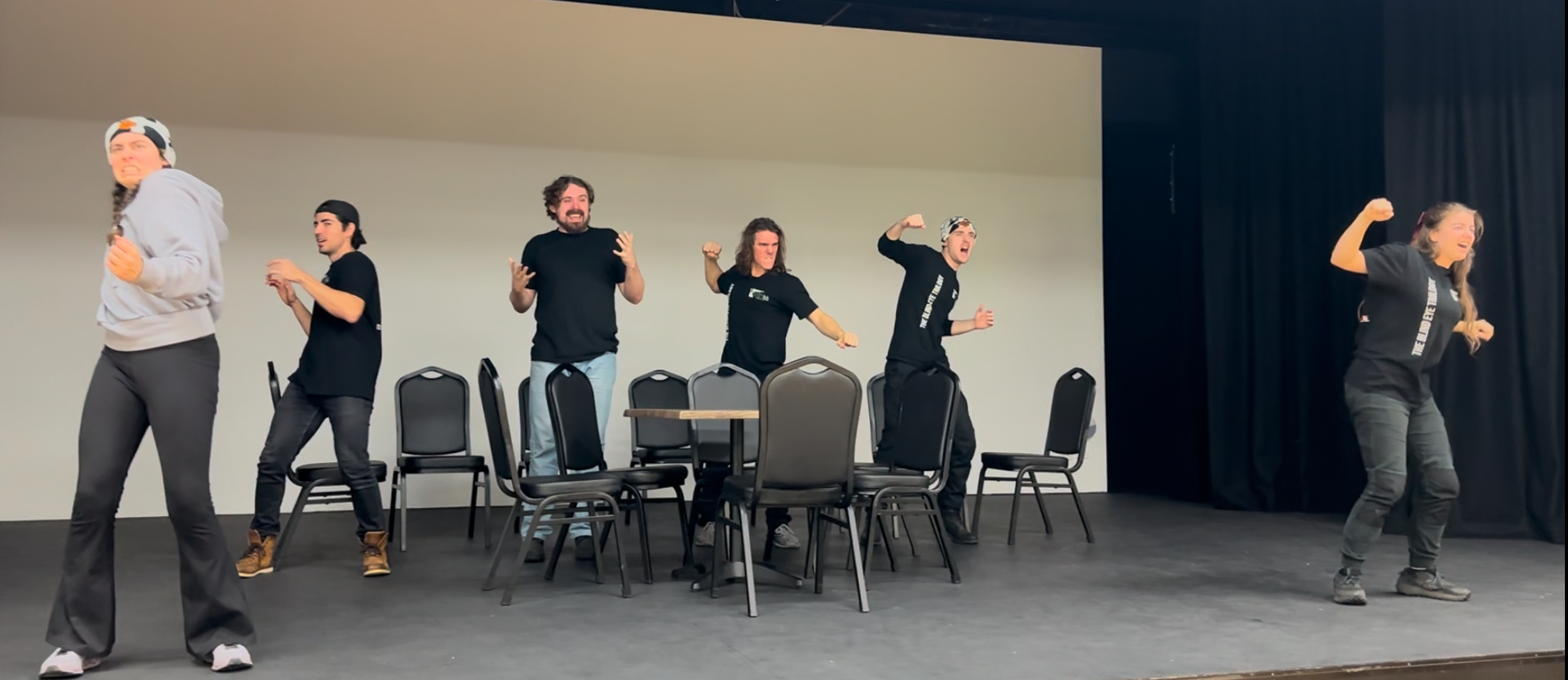
Different Types of Acting Classes
Acting classes vary widely depending on their purpose, structure and level of professional focus.
Some programs offer introductory exploration, while others provide long-term professional training designed to prepare actors for industry careers.
Common types of acting classes include:
Beginner Acting Classes
Many aspiring actors begin by exploring Beginner Acting Classes in Perth. (/beginner-acting-classes-perth)
Beginner classes provide an introduction to the craft for students with little or no experience.
These classes typically focus on:
- improvisation exercises
- listening and responding truthfully
- creative play and imagination
- introductory scene work
- ensemble collaboration
The goal is to develop confidence while reconnecting actors with their natural creative instincts.
Scene Study Classes
Actors working in film must develop specialised Screen Acting Techniques. (/screen-acting-classes-perth)
Scene study classes focus on working with written scripts.
Students rehearse scenes while learning:
- script analysis
- character development
- emotional objectives
- rehearsal technique
- collaboration with other actors
Scene study forms the backbone of many actor training programs.
Screen Acting Classes
Screen acting requires a specialised approach designed for film and television production.
Students learn techniques such as:
- acting for camera
- audition preparation
- self-taping
- understanding camera framing
- hitting marks and maintaining continuity
Because the camera captures even the smallest shifts in thought or emotion, screen acting demands exceptional emotional precision and authenticity.
Voice and Movement Training
Actors must also develop physical and vocal control.
Voice and movement classes help actors build:
- vocal power and clarity
- breath control
- expressive movement
- physical awareness
- stage presence
These skills are essential for both stage and screen performance.
Screen Acting vs Theatre Acting
Actors working in Perth today work across many mediums including theatre, film, television and digital media.
While the core craft remains the same, each medium requires different technical adjustments.
Theatre Acting
Stage acting requires performers to project voice and energy across large spaces while maintaining emotional connection with a live audience.
Theatre actors develop:
- strong vocal projection
- expressive physical presence
- sustained emotional focus
- adaptability during live performance
Because theatre is performed in real time, actors must maintain deep concentration and strong ensemble awareness.
Screen Acting
Screen acting is generally more intimate and technically precise.
The camera captures subtle emotional shifts that would be invisible on stage.
Actors working on screen must develop:
- emotional subtlety
- internal focus
- precise timing
- awareness of camera framing
At The Actors’ Hub Australia, training intentionally moves between theatre and screen mediums so actors develop truthful performances that remain powerful regardless of technical limitations.
How Beginners Start Acting Training
If you’re serious about becoming an actor in Perth and pursuing the craft professionally, it helps to understand How to Become an Actor in Perth.
Many aspiring actors believe they must already have experience before enrolling in acting classes.
In reality, almost every professional actor began in exactly the same way: stepping into a studio for the first time with curiosity and uncertainty.
Beginner training focuses on developing the imagination and emotional awareness that underpin the craft.
Students explore exercises involving:
- improvisation
- listening and responding
- character exploration
- emotional connection
- ensemble storytelling
The emphasis is not on perfection, but on discovering the actor’s authentic creative voice.
Actors learn to respond truthfully under imaginary circumstances while building confidence and creative freedom.
What to Look For in an Acting School
Not all acting schools offer the same depth of training or professional focus.
Some provide short workshops or casual classes, while others deliver structured long-term programs designed to develop professional actors.
When choosing an acting school, several factors are worth considering.
Teaching Philosophy
Strong acting schools emphasise authenticity, discipline and long-term development rather than quick results.
A clear philosophy provides structure and direction for students.
Class Size and Community
Acting training requires trust, vulnerability and honest feedback.
Smaller class sizes often allow for stronger relationships between teachers and students, creating a supportive environment for growth.
Practical Experience
The most effective training programs include opportunities for:
- scene work
- live performance
- film projects
- audition preparation
Practical experience allows students to apply technique in real creative situations.
Industry Knowledge
Actors pursuing professional careers must understand the business side of the industry.
This includes:
- audition processes
- self-taping
- working with agents
- professional marketing
Many professional actors refer to themselves as actor-entrepreneurs, recognising that their career requires both artistic development and business awareness.
How Professional Actors Train
Professional actors rarely stop training.
Even experienced performers continue attending classes and working with coaches throughout their careers.
Ongoing training allows actors to:
- refine technique
- stay creatively flexible
- explore new approaches
- maintain emotional readiness for roles
In many ways, acting training is similar to elite athletic training.
Strong preparation allows performers to deliver consistent results under pressure.
At The Actors’ Hub Australia this philosophy is captured in a guiding principle:
“The more you sweat in training, the less you bleed in battle.”

The Psychology of Acting
Acting is not only a technical discipline but also a psychological one.
Great performances emerge when actors access genuine emotional experience while remaining fully aware of the technical structure of a scene.
Training often explores:
- emotional memory
- imagination and subconscious imagery
- character psychology
- instinct and impulse
Many contemporary actor training approaches draw inspiration from the psychological theories of Carl Jung, whose ideas about archetypes and the unconscious mind continue to influence storytelling and character creation.
Actors learn to explore both their analytical and intuitive capacities, allowing imagination, impulse and structure to work together.
The Actor Entrepreneur
Professional acting is both an art and a business.
Actors are often described as entrepreneurs, because their career requires them to manage their own professional brand, relationships and opportunities.
Training for professional actors increasingly includes:
- understanding the casting process
- working with agents
- professional marketing
- audition preparation
- building a sustainable creative career
Actors must develop not only artistic skill, but also discipline, resilience and professional awareness. As actor-entrepreneurs, they are responsible for managing and marketing their most important asset: themselves.
They ask themselves, what it is that they need to protect to ensure their product is fit for purpose and ready for that next role?
This requires learning how to protect the conditions that allow their work to thrive—so their craft, mindset and professionalism are always ready for opportunities as they arise.
Training the actor therefore also means training the manager behind the actor.
Why Professional Actors Train for Years
One of the most common misconceptions about acting is that it can be learned quickly.
Acting mastery rarely happens quickly.
In reality, most professional actors train for many years in order to develop the depth, discipline and consistency required for professional work.
Just as athletes train daily to build physical performance, actors train continuously to develop emotional range, imagination, technical control and creative resilience.
Long-term actor training allows performers to:
- deepen emotional authenticity
- develop reliable technique
- build professional discipline
- gain extensive rehearsal and performance experience
- learn how to sustain creative work under pressure
For this reason, many serious acting programs around the world are structured as multi-year training environments rather than short workshops.
Consistent training allows actors to gradually integrate technique, instinct and professional awareness — creating performances that remain truthful, connected and repeatable across stage, screen and television work.

Professional acting training does not end in the classroom. Many actors eventually move into film and television productions, screenings and industry events where their work is presented to audiences.
Acting Opportunities in Perth
So, lets look specifically at how to become an actor in Perth.
The creative industries in Perth have grown significantly in recent years.
With increasing investment in screen production and the development of facilities such as Perth Film Studios, the local acting industry is expanding rapidly.
In the short time since launching our full-time program, graduates of The Actors’ Hub Australia have already appeared in major Australian and international film and television productions including The Surfer, NCIS: Sydney, Mystery Road: Origin, Territory, Bad Behaviour, All My Friends Are Racist, The Twelve, Ghosts, All Her Fault, He Had It Coming, Going Home, C*A*U*G*H*T, Pieces of Her, The Heights, I Met a Girl, Itch, H Is for Happiness, Olivia, In Sect, Paper Cranes and Home and Away.
These outcomes reflect the studio’s focus on professional training, industry discipline and preparing actors for the realities of working in film, television and theatre.
As opportunities grow, competition also increases. Production companies often cast actors from across Australia and internationally.
Professional training therefore plays a crucial role in preparing actors to compete at industry level.
Start Your Acting Training in Perth
If you’re curious about acting or considering professional training, the best place to begin is simply stepping into the studio.
The Actors’ Hub Australia offers beginner, part-time and full-time acting programs designed to support actors at every stage of their journey.
Book an Acting Class:
https://calendly.com/theactorshubstudio/acting-fundamentals-class
How to Start Training at Actors’ Hub
The Actors’ Hub Australia was founded by Amanda Crewes — an actor, director, writer, coach and producer with decades of experience across theatre, film and actor training. Over the course of her career she has directed and produced numerous stage productions, developed original theatre and film works, and led creative projects across independent theatre, national touring productions and screen projects. Her work as a director and filmmaker has received international recognition, including award-winning short film projects and nominations for screen industry awards.
Through The Actors’ Hub Australia she has developed a rigorous actor training environment focused on professional discipline, creative authenticity and long-term career development. This combination of industry experience and structured training philosophy has helped position The Actors’ Hub as one of Perth’s most respected independent actor training studios.
Crewes remains actively involved in training actors and directing productions through The Actors’ Hub Studios, ensuring that the studio’s training remains closely connected to the realities of professional performance.
The Actors’ Hub offers structured training pathways designed to support actors at different stages of their journey:
Full-Time Professional Training
A three-year intensive program involving approximately 16 hours of training per week, designed for actors committed to developing professional careers.
Part-Time Actor Training
A structured program involving six hours of training per week, allowing students to develop their craft while balancing other commitments.
Beginner Acting Programs
Introductory courses offering approximately three hours of training per week for those exploring acting for the first time.
Training includes:
- screen acting
- voice and speech development
- movement training
- improvisation
- characterisation
- stage performance
Students also gain practical experience through film projects, theatre productions and studio labs.
Since launching its professional incubation program in 2018, The Actors’ Hub has produced 26 graduates, all of whom have secured agent representation, with many appearing in major Australian television and film productions.
The studio maintains strong relationships with agencies and casting directors across Australia, while its own production company provides ongoing creative opportunities for emerging performers.
Facilities include rehearsal studios, production spaces and performance venues designed to support both training and creative work.
To learn more visit: https://actorshubperth.com.au/acting-classes-perth/

Taking the First Step
For many actors, the most important step is simply beginning.
The experience of stepping into a studio, working with other actors and exploring the creative possibilities of performance can be transformative.
Actors often discover that training provides far more than technical skills. It develops confidence, resilience and a deeper understanding of human behaviour.
As actor Lupita Nyong’o once said:
“Find your tribe. The people who challenge you, support you and make you better.”
For aspiring actors in Perth, that journey often begins by stepping into a room filled with others who share the same curiosity, courage and creative ambition.
Sometimes the only question that matters is:
If not now, when?
Frequently Asked Questions About Acting Classes in Perth
Do I need experience to start acting classes?
No. Many actors begin training with no previous experience. Beginner classes are designed to introduce fundamental acting techniques and creative exploration.
How long does actor training take?
Professional actors often train for many years. While beginner classes provide an introduction, deeper training programs allow actors to develop consistent technique and professional discipline.
Can you become an actor in Perth?
Yes. Perth has a growing film and television industry, and trained actors regularly work in Australian productions filmed locally or nationally.
What is the difference between screen acting and theatre acting?
Screen acting focuses on subtle emotional expression for camera, while theatre acting requires larger vocal and physical energy to reach live audiences
Article Author:
Amanda Crewes
Founder – The Actors’ Hub Australia
Actor | Coach |Director | Writer | Producer
About the Author